Smart Export
Guarantee Tracker
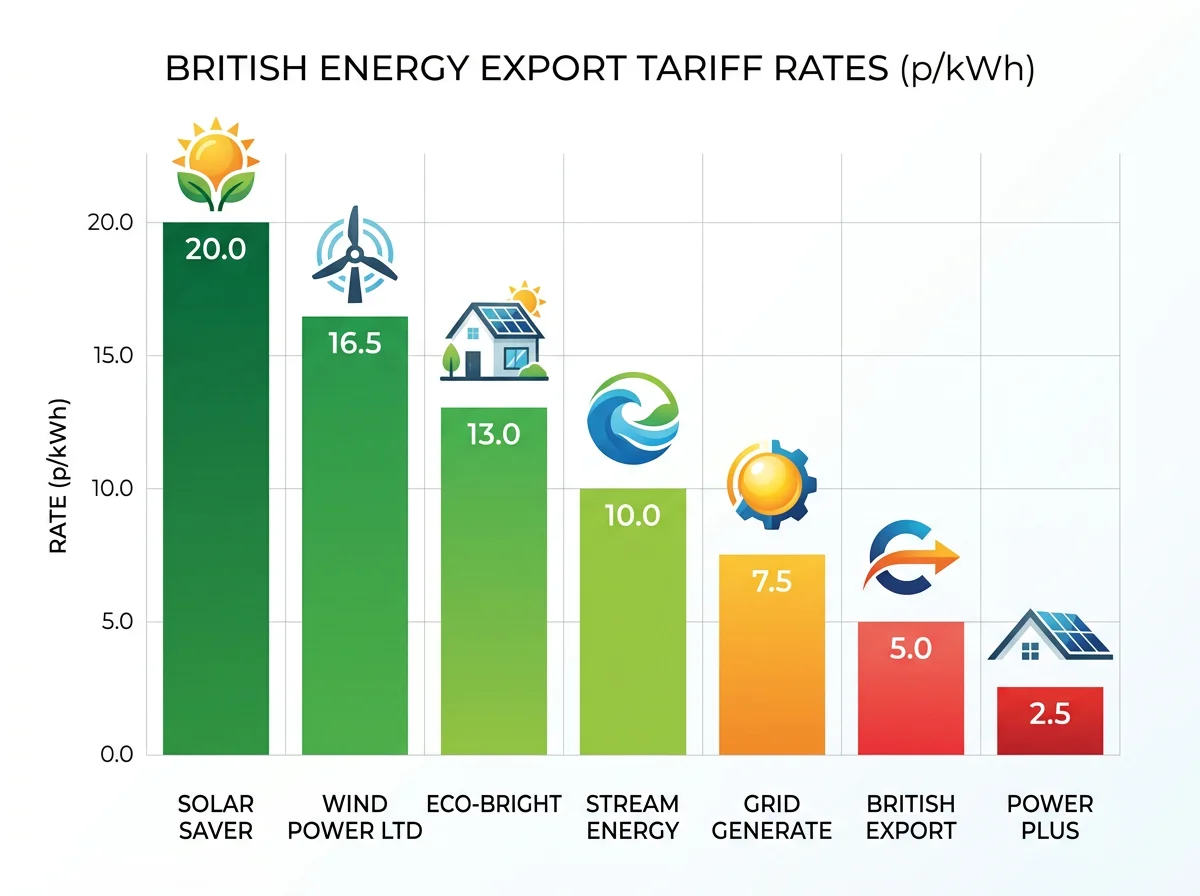
SEG rates vary from 5.5p to 12p/kWh across UK suppliers — a difference of £100–£150/year on a 4 kWp system. Here's which suppliers pay best, which are cutting rates, and what the legislative risks are for the next five years.
SEG Rate Comparison — Q2 2026
Sort by best rate, supplier name, or risk level. Click any row for full eligibility details and our assessment of rate stability.
Figures last verified:
SEG Legislative Risk — The Next 5 Years
The SEG is secure as a scheme but rates face structural downward pressure. Here's what's driving that risk and how to protect yourself.
Scheme abolition risk
The SEG is enshrined in the Energy Act 2008. Abolition would require primary legislation and political capital. No party has proposed abolition. Risk rating: Low. The scheme continues in some form through the 2030s.
Rate compression risk
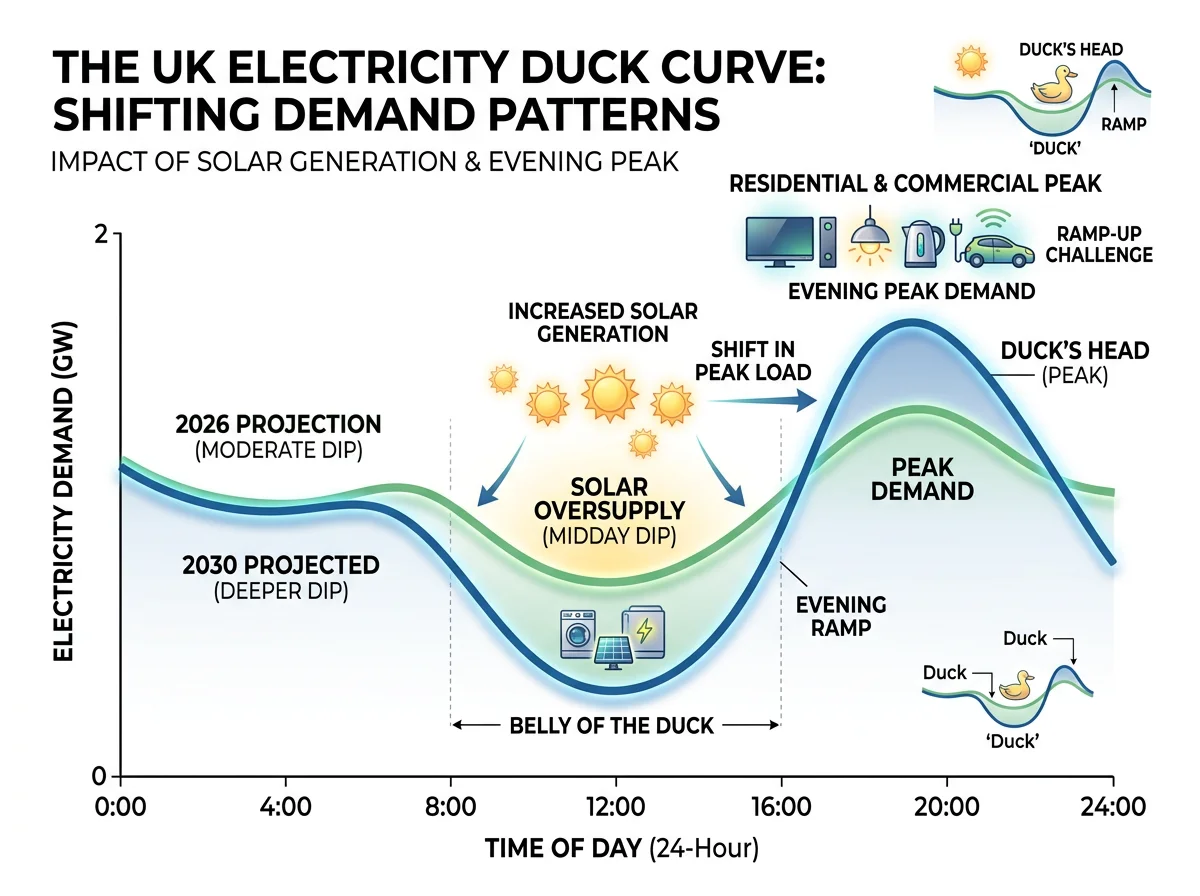
As UK solar capacity grows toward 50 GW, midday electricity prices (when solar peaks) will fall — possibly turning negative more often. Suppliers will adjust SEG rates downward to reflect this. Octopus cut from 15p to 12p in March 2026. Expect continued gradual compression. Risk rating: Medium-High.
Risk without battery storage
Homeowners exporting at midday without the ability to shift to peak periods are most exposed to SEG rate compression. As agile pricing becomes standard, the gap between 4pm export value and noon export value will widen. Battery storage is the primary hedge. Risk rating: High if no storage.
Maximise Your SEG Income
The biggest SEG gains come from choosing the right supplier and adding battery storage to shift your export to peak-rate periods. Use our battery calculator to model the exact impact.